
Parquet floors aren’t just a design choice; they’re a real investment in your Dubai home or business. But let’s be honest, life takes its toll. Constant footsteps, shifting furniture, and Dubai’s tricky climate can rough up even the toughest wood. Refinishing brings your floors back to life and keeps them looking sharp for years. In this guide, you’ll spot the signs that it’s time to refinish, get your space ready, tackle the whole process, and learn how to keep those floors in top shape long after.
Maybe you’ve got a villa in Emirates Hills, a few apartments in Downtown Dubai, or you’re running things in Business Bay. Either way, knowing how refinishing works gives you the edge when it comes to taking care of your floors. You’ll feel a lot more confident about where your money’s going.
When to Refinish Parquet: Signs It’s Time
Knowing when your floors need attention prevents minor wear from becoming major damage. Here are the key indicators that your Parquet Flooring requires refinishing:
Visual Warning Signs
Surface scratches that penetrate beyond the finish layer indicate the protective coating has failed. When you notice grey or discolored patches, moisture has likely reached the wood beneath. Fading from sun exposure, particularly common in Dubai properties with large windows, signals the final deterioration. Deep cuts, dents from heavy furniture, and worn traffic paths all suggest immediate attention is necessary.
Physical Tests to Assess Condition
Perform a simple water test by placing a few drops on the floor surface. If water beads up, your finish remains intact. If it absorbs within minutes and darkens the wood, refinishing is overdue. Run your hand across the surface roughness or splinters to confirm the finish has worn away. Check high-traffic areas near doorways and kitchens first, as these deteriorate fastest.
Refinish vs Replace: Making the Right Decision
Refinishing makes sense when damage affects only the surface finish and top wood layer. Solid parquet blocks can typically handle three to five refinishing cycles throughout their lifetime. However, if blocks are loose, warped, or damaged beyond 3mm depth, replacement may prove more cost-effective. Consult reputable Flooring Companies in Dubai for professional assessment when unsure.
Preparing for Refinishing: Assessment and Materials
Proper preparation determines the quality and longevity of your refinishing results. Before starting any work, gather the necessary materials and prepare your space thoroughly.
Essential Tools, Materials, and Sanding Grit Reference
| Item Category | Tool/Material | Purpose | Estimated Cost (AED) |
| Sanding Equipment | Drum sander or orbital floor sander | Primary surface sanding | Rental: 200–300/day |
| Edge sander | Corners and border areas | Rental: 80–120/day | |
| Vacuum with a fine dust filter | Dust containment and cleanup | Rental: 50–80/day | |
| Sandpaper Grits | 36–40 grit (coarse) | Initial finish removal and leveling | 100–150 |
| 60–80 grit (medium) | Progressive smoothing | 80–120 | |
| 100–120 grit (fine) | Final preparation and between-coat sanding | 80–120 | |
| Surface Preparation | Wood filler (species-matched) | Gap filling and surface repair | 60–100 |
| Tack cloths and microfiber mops | Dust removal before finishing the application | 40–60 | |
| Painter’s tape and plastic sheeting | Dust containment and protection | 50–80 | |
| Finishing Supplies | Water-based or oil-based polyurethane | Floor protective coating | 200–400 per liter |
| Lambswool applicator pads or foam rollers | Even finish the application | 40–70 | |
| Safety Equipment | Respirator mask, goggles, ear protection | Worker safety during sanding | 60–100 |
Room Preparation Steps
Clear out all furniture, rugs, and wall decorations. Seal every doorway with plastic to block out dust. Cover your vents and power outlets. Check the floor for any raised nails or staples and hammer them deep into the wood. Clean the floor well to remove grit that might harm your sanding equipment. If you need low-maintenance alternatives, choose moisture-resistant surfaces for bathrooms while keeping your parquet in the main living areas.
How to Refinish Parquet Flooring: Step-by-Step Guide
Follow this systematic approach to achieve professional-quality results. The entire process typically requires three to five days, including drying time between coats.
Step 1 — Initial Sanding (Coarse Grit)
Begin with 36 or 40-grit sandpaper to remove the old finish and level surface imperfections. Sand diagonally across the parquet pattern rather than following individual block direction. This approach prevents uneven grooves while effectively stripping old coatings. Work methodically across the room, overlapping passes by approximately 50 percent. Use the edge sander for areas the drum sander cannot reach.
Step 2 — Medium Sanding (Smoothing)
Switch to 60-grit, then 80-grit sandpaper for progressive smoothing. Each pass removes scratches left by the previous coarser grit. Vacuum thoroughly between grit changes. The Parquet Flooring Texture begins emerging more clearly at this stage as surface uniformity improves.
Step 3 — Fine Sanding (Final Preparation)
Complete sanding with 100 or 120-grit paper for a smooth surface ready to accept finish. This final pass should be lighter, focusing on removing any remaining marks. Vacuum the entire floor and wipe with tack cloths to eliminate fine dust particles.
Step 4 — Filling Gaps and Repairs
Apply wood filler to gaps between blocks and any surface defects. Dubai’s climate fluctuations cause wood expansion and contraction, making gap filling essential. Allow filler to dry completely before light sanding with 120-grit to level filled areas.
Step 5 — Applying Finish Coats
For Dubai’s warm, humid conditions, water-based polyurethane offers faster drying times and lower odor while providing excellent durability. Oil-based finishes penetrate deeper and improve grain appearance but require longer curing periods. Apply thin, even coats using a lambswool applicator or foam pad. Allow four to six hours drying time between coats in air-conditioned spaces. Apply two to three coats for residential use, three to four for commercial applications.
Step 6 — Curing Period
Final curing requires 48 to 72 hours before light foot traffic and seven days before replacing furniture. Maintain consistent air conditioning during curing to prevent humidity-related finish problems common in the UAE climate.
Cost, Time, and When to Hire Professionals in Dubai
Understanding the financial investment helps you budget appropriately and decide between DIY and professional services.
DIY Cost Estimates
Equipment rental (sander, edger, vacuum) runs approximately AED 400–600 per day. Sandpaper, finish, and supplies add AED 500–800 for an average 50-square-meter room. Total DIY cost ranges from AED 1,200–2,000, excluding your time investment of 20–30 hours.
Professional Refinishing Costs
Flooring Companies in Dubai typically charge AED 35–65 per square meter for complete refinishing. A 50-square-meter space costs approximately AED 1,750–3,250 professionally. This includes labor, materials, equipment, and often a workmanship warranty.
When to Hire Professionals
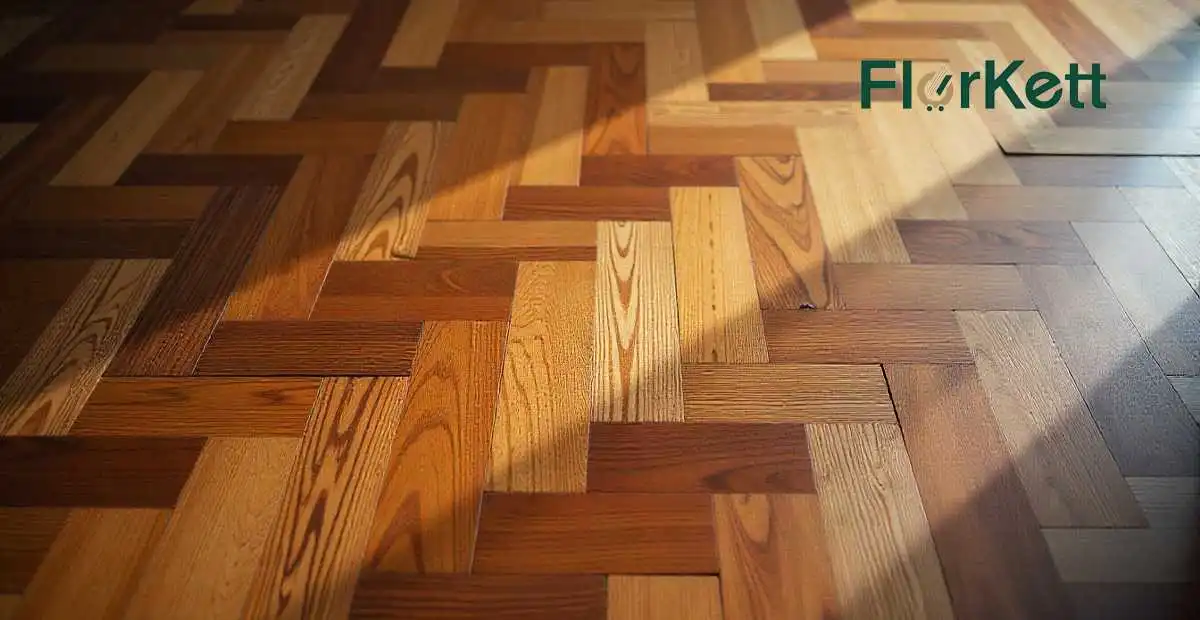
Complex patterns like herringbone or Versailles require specialized techniques best left to experts. Serious damage, structural issues, or uncertainty about wood species warrants a professional assessment. Commercial properties with tight timelines benefit from professional crews who complete work faster. Ask potential contractors about dustless sanding systems, finish brands used, ventilation protocols, and warranty terms before hiring.
Aftercare and Maintenance to Preserve Your Finish
Protecting your newly refinished Parquet Flooring ensures lasting beauty and delays future refinishing needs.
Daily and Weekly Care
Use felt pads under all furniture legs. Place doormats at entrances to capture sand and grit, particularly important in Dubai, where desert dust enters homes easily. Sweep or vacuum regularly using soft brush attachments. Damp mop weekly with pH-neutral wood floor cleaner, avoiding excess water.
Long-Term Protection Strategies
Maintain indoor humidity between 40–60 percent using air conditioning and dehumidifiers. Apply refresher coats every two to three years for high-traffic areas. Address spills immediately to prevent moisture penetration. The preserved Parquet Flooring Texture rewards your maintenance efforts with decades of elegant performance.
Conclusion
Refinishing Parquet Flooring Texture restores elegance while protecting your investment for years ahead. Whether you tackle this project yourself or engage professionals, understanding the process ensures better outcomes. Dubai’s unique climate demands appropriate finish selection and consistent aftercare to maintain your floors through intense summers and humidity changes.
If you’re weighing your flooring options, vinyl flooring in Dubai works well in certain rooms, but parquet still stands out as the top pick for living rooms and bedrooms. If your parquet’s looking dull or worn, reach out to a local expert. They can help you bring your floors back to life.
Frequently Asked Questions
Most parquet floors require refinishing every 7–10 years, depending on traffic levels and maintenance. High-traffic commercial spaces may need attention every 5–7 years.
Vacating the property during sanding is recommended due to dust and fumes. Water-based finishes allow return within 24–48 hours; oil-based finishes require 3–5 days for safe air quality.
Yes, high humidity extends drying times and can cause finish cloudiness. Professional refinishers control indoor climate during application to ensure proper curing and lasting results.
Water-based polyurethane performs excellently in Dubai, offering durability, fast drying, and resistance to yellowing. Oil finishes provide richer aesthetics but require longer curing periods.