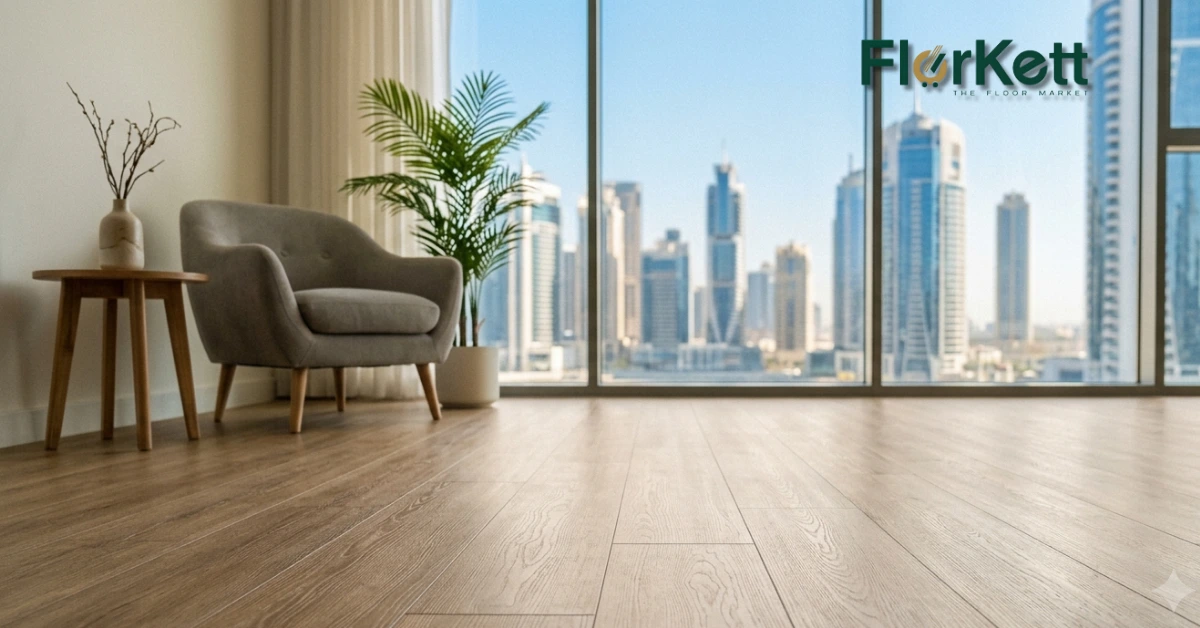

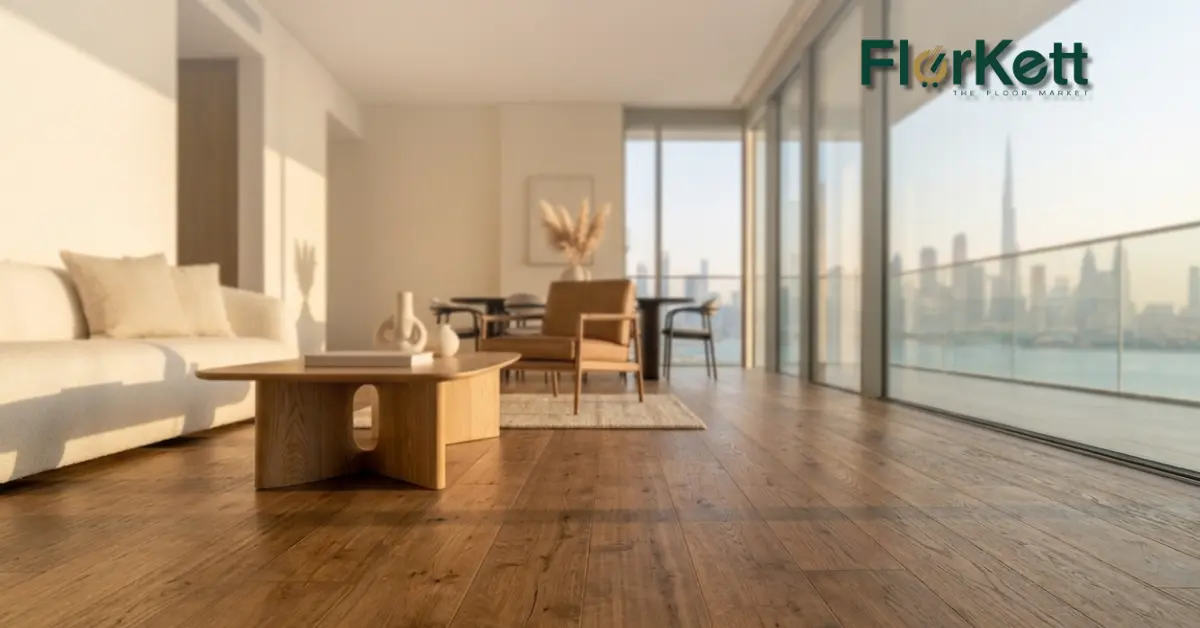
Choosing the right floor for your home in Dubai is a high-stakes decision. Between the blistering outdoor heat, the bone-dry indoor air conditioning, and the high-end aesthetic expectations of the UAE, flooring isn’t just a surface; it’s a performance material. Engineered wood flooring has become the choice for many individuals, providing the natural beauty of oak and walnut while eliminating the inherent weaknesses of hardwood.
Unfortunately, the slick brochures at showrooms in either Al Quoz or Sheikh Zayed Road will not provide you with all of the information. Changing from a cool, tiled floor to a cozy wooden floor is much more than choosing a shade. It is about knowing your location and how the environment will affect it.
Why Engineered Wood is the “Smart” Choice for the Desert
In a city built on sand and sun, solid hardwood is often a recipe for heartbreak. Solid wood is a living, breathing material that expands and contracts significantly with moisture levels. In Dubai’s climate, where you might have 90% humidity outside and 20% humidity inside due to 24/7 air conditioning, solid planks tend to warp, cup, or gap within months.
Engineered wood flooring solves this through structural intelligence. It consists of a top layer of real hardwood (the “wear layer”) bonded to multiple layers of plywood or HDF (high-density fiberboard) stacked in a cross-grain configuration. This structure resists the “movement” that plagues solid wood.
The Reality of the “Dubai AC Effect”
When considering the unique climate and lifestyle demands of the UAE, understanding the specific benefits of engineered Wood Flooring Dubai offers becomes paramount. What are the primary factors influencing durability in this region?
The “AC Effect” is real. Most people don’t realize that keeping your home at a constant 22°C while the outside temperature hits 45°C creates a massive vapor pressure differential. Your flooring needs to be able to handle that dry internal environment without cracking. High-quality engineered wood, specifically that with a birch plywood core, is engineered precisely for these extremes.
The Hidden Variables: What to Check Before You Swipe Your Card
1. The Wear Layer vs. Life Expectancy
The “wear layer” is the slice of real wood on top. In Dubai, you’ll find everything from 0.6mm (essentially a veneer) to 6mm. If you plan on living in your villa for ten years or more, or if you have pets and children, do not settle for anything less than 3mm. A 4mm wear layer can be sanded and refinished 2 to 3 times, effectively giving you a “new” floor a decade down the line.
2. The Subfloor: The Silent Killer
In Dubai, most apartments and villas come with standard ceramic or porcelain tiles. Many homeowners believe they can just “click-clack” wood over the top. While possible, the moisture content of the subfloor (even under tiles) can lead to mold or glue failure. Always insist on a professional moisture test before installation. If the “Relative Humidity” (RH) of your subfloor is too high, you’ll need a liquid moisture barrier (an epoxy primer) first.
3. Click-Lock vs. Tongue and Groove
Click-lock systems are popular for DIY or quick renovations because they “float” over an underlay. However, for a truly premium feel that doesn’t “bounce” or sound hollow when you walk in heels, a Glue-Down installation using a Tongue and Groove system is superior. It feels more solid, mimics the sound of real hardwood, and is less likely to shift during seasonal humidity spikes.
Aesthetics: Matching the Dubai Palette
Dubai’s interior design trends have shifted from the heavy, dark “majlis” styles to Scandi-minimalism and “Quiet Luxury.”
- European Oak: By far the most popular choice. It takes stains beautifully, allowing for those trendy “greige,” smoked, or whitewashed finishes.
- Walnut: For those looking for a regal, darker aesthetic. It’s softer than oak, so be wary of high-traffic areas.
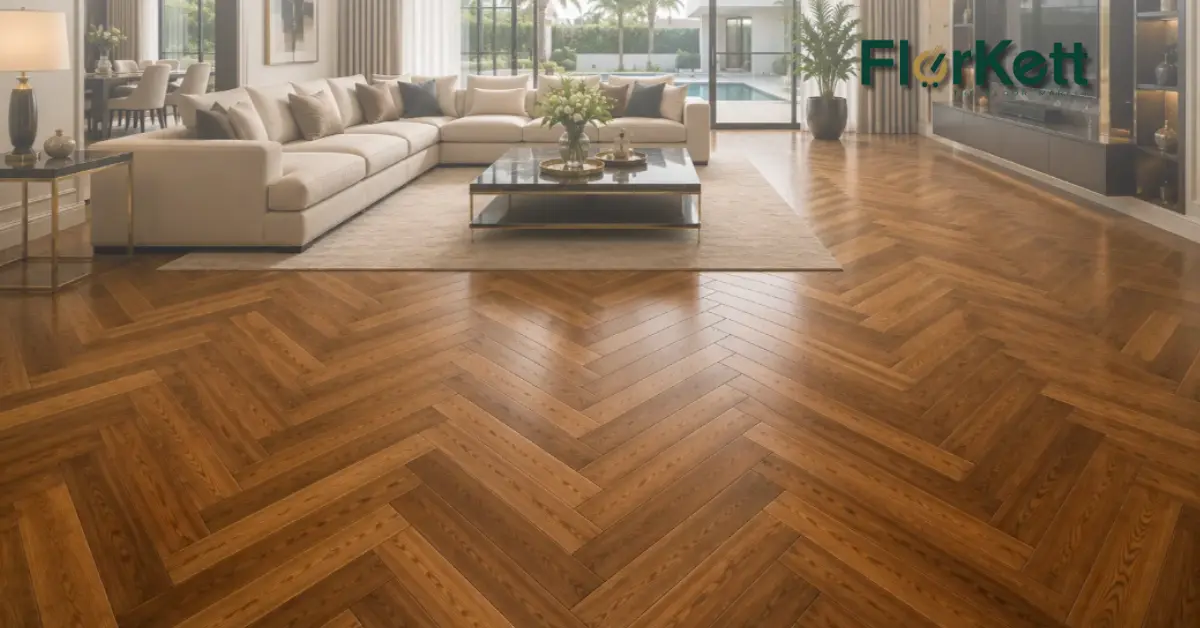
- Herringbone and Chevron: These patterns are exploding in popularity across Downtown Dubai and Palm Jumeirah apartments. They add an architectural element to the room but expect to pay 20% to 30% more for installation and wastage.
Navigating the diverse options available for Flooring Dubai requires a keen eye for quality and value. How can one effectively compare different suppliers and their warranties?
The Logistics of Installation in the UAE
Buying the wood is only 50% of the journey. The installation in Dubai has its own set of hurdles that showrooms rarely mention in detail.
Acclimatization is Non-Negotiable
You cannot bring wood from a chilled warehouse, put it into a hot villa, and install it the same day. The wood must sit in the room where it will be installed for at least 48 to 72 hours. This allows the fibers to adjust to the specific temperature and humidity of your home. Skipping this step is the #1 cause of “buckling” floors in the UAE.
Skirting and Transitions
Most Dubai homes have existing 10cm or 15cm stone or tile skirtings. You have two choices:
- Remove the old skirting: This is messy and requires repainting the walls, but it looks the best.
- Over-skirting: Placing a new wood skirting over the old one. It’s faster but can look bulky. Always ask your contractor how they plan to handle the “transition” between the wood and your bathroom tiles or kitchen marble. A cheap T-junction strip can ruin the look of a luxury floor.
Maintenance in a Dusty Environment
Dubai is a desert city; fine sand finds its way into every crevice. Sand is essentially sandpaper for your floor’s finish.
- The “No Shoes” Rule: This isn’t just a cultural norm; it’s a maintenance necessity. Hard grit stuck in shoe treads will scratch the lacquer or oil finish of your wood.
- The Right Mop: Never use a steam mop on engineered wood. The heat and moisture can delaminate the layers. Instead, use a microfiber “dry” mop for daily dust and a slightly damp (not wet) mop with a pH-neutral cleaner once a week.
- Humidity Control: During the humid summer months, ensure your AC is running even if you are away on vacation. If the AC is off, the humidity inside can soar, causing the wood to expand and potentially pop off the glue.
Sustainability and Sourcing
As the UAE moves toward more sustainable building practices (driven by initiatives like Dubai 2040 Urban Master Plan), homeowners are increasingly asking where their wood comes from.
Look for FSC (Forest Stewardship Council) or PEFC certifications. It makes sure that your oak or walnut was cut down in a forest that is actively reforested and managed carefully. Furthermore, check the formaldehyde emissions of the glues used in the engineering process. Quality European or Malaysian brands usually attach to “E1” or “E0” standards, ensuring the air quality in your bedroom stays healthy.
Cost Expectations in the Current Market
When budgeting for your project in Dubai, don’t just look at the price per square meter of the wood. A realistic budget includes:
- The Wood: 150 AED to 600+ AED per sqm.
- Underlay/Adhesive: 20 to 40 AED per sqm.
- Installation Labor: 30 to 60 AED per sqm.
- Wastage: Always buy 10% more than your floor area (15% for Herringbone) to account for cuts and corners.
Final Thoughts: The Value of Professional Expertise
Buying engineered wood flooring is an investment that should add 5% to 10% to your property’s value. While it’s tempting to go for the cheapest quote, flooring is one area where “you get what you pay for” holds painfully true. A poorly installed floor will creak, gap, and eventually require a total tear-out.
When you walk into a showroom, don’t just look at the colors. Ask about the core material, the thickness of the wear layer, and the moisture testing protocols of their installation team. By being an informed buyer, you ensure that your Dubai home remains a sanctuary of comfort and style for years to come.