
Hospitals are complex, high-stakes environments where the architectural choices are inextricable from safety and health outcomes. The floor is far more than a simple aesthetic element; it is an essential component of the infection control strategy, patient safety protocols, and staff operational efficiency. With modern healthcare facing increasing demands for superior hygiene and durability, the selection of materials such as Hospital Vinyl Flooring must be future-proof.
As we look toward 2026, the focus is squarely on resilient surfaces that can handle continuous, heavy traffic, resist powerful chemical disinfectants, and maintain a seamless, sterile barrier. This complete guide provides an in-depth examination of high-performance vinyl, the definitive flooring solution for healthcare facilities, detailing its essential functions, the latest innovations, and the critical selection and installation factors for a truly effective system.
The Foundation of Care: Core Functions of Vinyl Flooring
In the demanding hospital setting, the floor is an active part of the building’s infrastructure. High-quality vinyl surfaces, particularly Hospital Vinyl Flooring Dubai, are engineered to deliver multiple high-performance duties simultaneously and without compromise.
Safety and Risk Control
A primary function of any healthcare floor is to reduce risk. Premium vinyl is designed with integrated slip-resistance, significantly minimizing fall hazards for patients and staff, a major safety priority. Furthermore, the material must withstand substantial point loads from specialized medical equipment, gurneys, and hospital beds without permanent deformation or damage.
Hygiene, Sterility, and Infection Control
This is the most critical function. High-performance vinyl provides a non-porous and, when seam-welded, completely seamless surface. This eliminates joints, gaps, and micro-fissures where bacteria, fungi, and viruses can breed and spread. The ability to create a truly continuous membrane is why vinyl remains the material of choice for sterile environments.
Durability and Lifetime Performance
Hospital floors are subjected to continuous stress 24/7. The vinyl must possess exceptional resilience to ensure it lasts for decades, resisting staining from bio-hazards, degradation from potent cleaning chemicals, and wear from constant foot and wheel traffic. This robust longevity is vital for operational continuity and minimizing disruption.
Staff and Patient Comfort
The floor contributes directly to the healing environment. Staff spend long hours on their feet; vinyl with appropriate elasticity and backing provides crucial underfoot comfort, reducing fatigue. Its acoustic properties also absorb impact noise from activity, creating a quieter, less stressful atmosphere conducive to patient recovery and better sleep quality.
Premium Vinyl Flooring: The Gold Standard for Healthcare
Vinyl flooring’s proven hygienic benefits and exceptional performance make it the globally accepted standard for medical facilities. It is primarily categorized into two formats, each strategically suited for different zones within a hospital.
High-Performance Sheet Vinyl: The Critical Care Barrier
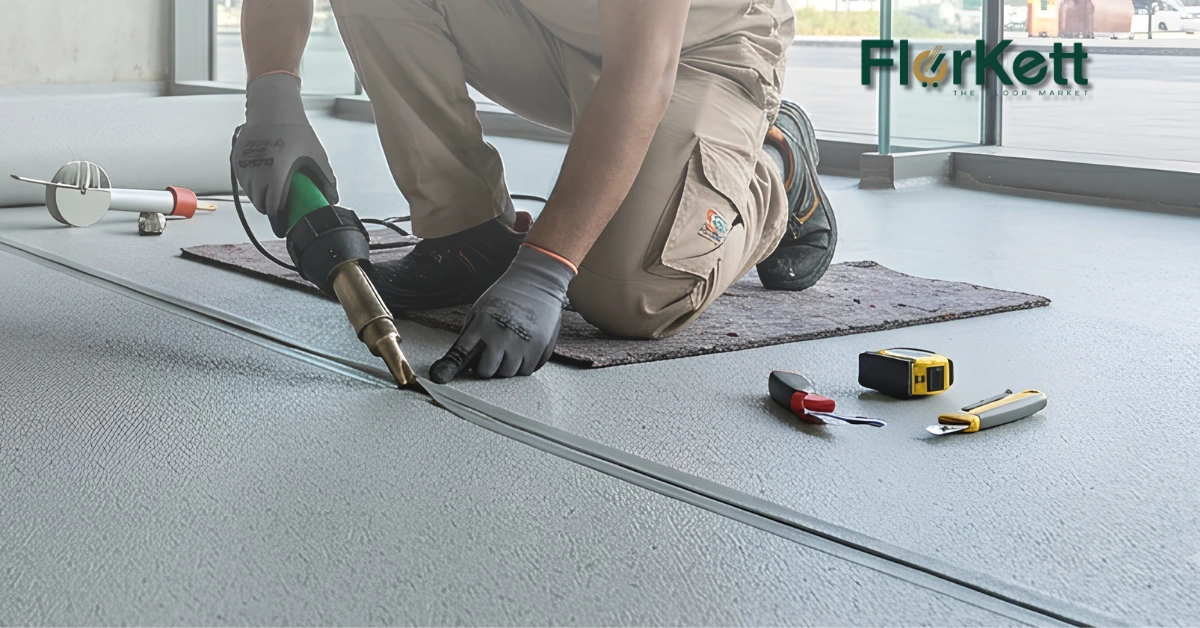
Sheet vinyl is installed in large rolls and utilizes a professional heat-welding technique to join seams. This process is paramount as it creates a seamless, monolithic surface barrier. This joint-free finish is a non-negotiable requirement for critical areas demanding the absolute highest level of sterility, including Operating Rooms (ORs), Isolation Rooms, and Intensive Care Units (ICUs).
- Key Attributes: Unmatched chemical resistance, full waterproof capability, and minimal maintenance needs.
- Future Focus: The industry is innovating with bio-based and PVC-free resilient alternatives that boost sustainability while maintaining the necessary clinical performance characteristics.
Luxury Vinyl Tile (LVT): The Balance of Hygiene and Design
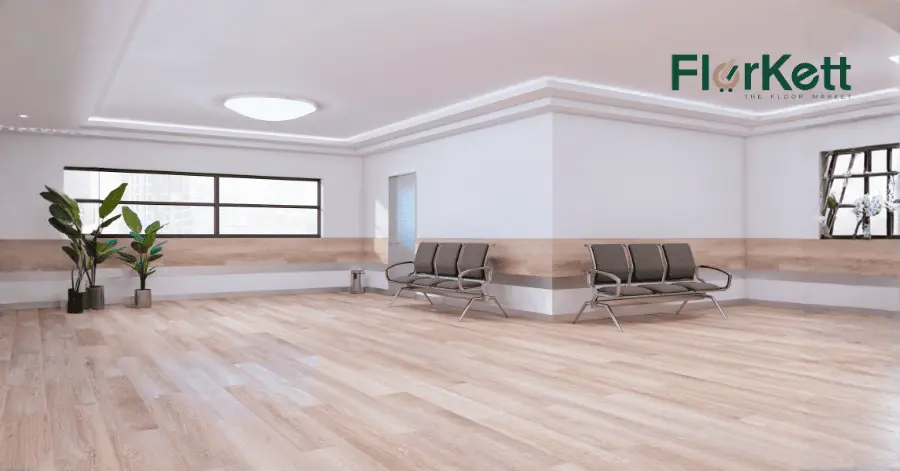
While sheet vinyl ensures sterility in clinical zones, LVT (Luxury Vinyl Tile/Plank) is increasingly used in non-critical areas. LVT offers superior aesthetic versatility, providing highly realistic visuals (e.g., wood or stone patterns) while retaining the core hygienic benefits of vinyl.
- Key Attributes: High aesthetic appeal, excellent durability, and ease of individual tile or plank replacement.
- Ideal Placement: Patient rooms, corridors, waiting areas, and administrative spaces where a welcoming, non-institutional atmosphere is prioritized.
The Top Three Selection Factors for Hospital Vinyl
Selecting Premium Flooring Dubai requires mastering a specific set of criteria that ensures the material is compliant and capable of enduring the hospital environment for its entire expected lifespan.
1. Durability: Engineered for Non-Stop Action
Hospitals operate 24 hours a day, 365 days a year. The floor must be purpose-built to withstand this constant stress.
- The Wear Layer: This is the visible, protective top layer of the vinyl. It must be thick and formulated to withstand extreme abrasion, heavy loads, and repeated scrubbing. A high-quality, dense wear layer is the primary defense against damage that could compromise the integrity of the surface.
- Chemical Resistance: The routine application of powerful, hospital-grade disinfectants and cleaning agents necessitates a floor surface that is chemically inert. The vinyl must resist permanent discoloration, softening, or degradation from prolonged exposure to these harsh substances.
- Long-Term Investment: Opting for truly premium, durable vinyl guarantees an extended lifespan, minimizing life-cycle costs and preventing the disruptive, costly need for early replacement.
2. Hygiene: The Essential Safety Element
Infection control is paramount, and vinyl floors are a crucial starting point for a safe facility.
- Seamless Installation: Only sheet vinyl with professionally heat-welded seams eliminates all potential hiding places the micro-gaps and joints where dirt and microbes can thrive.
- Non-Porous Surface: Vinyl materials must be entirely non-absorbent. This impermeable quality ensures that spills, bodily fluids, and bio-hazards remain on the surface, allowing for complete and effective cleaning and decontamination. This feature is critical for the long-term integrity of the floor.
- Anti-Microbial Integration: The latest innovations in vinyl manufacturing include integrated antimicrobial agents. These substances actively inhibit the growth of common hospital-acquired pathogens, providing an extra layer of protection.
3. Ease of Maintenance: Optimizing Clinical Cleanliness
A floor that is difficult or time consuming to clean increases operational costs and raises the risk of incomplete sanitation. The vinyl must be designed for swift, effective, and efficient maintenance cycles.
- Stain Resistance: The surface must be highly resistant to staining from all common hospital liquids, ensuring staff can quickly and fully wipe up spills without leaving residual marks.
- Low Maintenance Finish: High-performance hospital vinyl often features modern, durable surface treatments (like enhanced polyurethane) that eliminate the need for costly, labor-intensive waxing, stripping, and polishing routines. This streamlines maintenance schedules and ensures constant readiness.
Improving Patient Outcomes Through Environment
The physical design of a hospital is now recognized as a therapeutic tool. Vinyl floors contribute to the healing process by creating an environment that is less clinical and more supportive.
Aesthetics and Biophilic Design
The trend for 2026 moves away from the historically sterile white look. Modern vinyl offers sophisticated color palettes and patterns that replicate natural materials, such as calming wood grains or soft stone textures. These biophilic designs bring an element of nature indoors, which has been shown to reduce patient anxiety and improve overall mood in waiting areas and patient rooms.
Superior Acoustic Comfort
Noise is a leading source of stress for patients, often interfering with vital sleep. Vinyl flooring specified with acoustic properties, through specific layered backings, significantly absorbs impact noise from foot traffic, beds, and carts. This acoustic management is a key factor in creating the tranquil setting necessary for recovery.
Strategic Vinyl Selection by Hospital Zone
Choosing the correct vinyl format is a strategic decision tailored to the specific functional demands and risk level of each area.
| Hospital Zone | Primary Requirement | Recommended Vinyl Type |
| Operating Rooms / ICUs | Highest Sterility, Chemical Resistance | Homogenous Sheet Vinyl (Heat-Welded) |
| Corridors / Hallways | Extreme Durability, Sound Absorption | Heavy-Duty Sheet Vinyl (Acoustic Backing) |
| Patient Rooms | Comfort, Aesthetics, Easy Clean | Luxury Vinyl Tile (LVT) or Heterogeneous Sheet Vinyl |
| Laboratories / Pharmacies | Chemical Resistance, Non-Porous | Homogenous Sheet Vinyl |
| Waiting Areas / Lobbies | Aesthetic Appeal, High Durability | Luxury Vinyl Tile (LVT) |
The Indispensable Role of Expert Installation
The integrity and long-term performance of any vinyl flooring system hinge entirely on the quality of its installation. Professional expertise is the bridge that connects a high-performance product to a long-lasting, compliant floor system.
Mandatory Subfloor Preparation
The condition of the concrete slab beneath the vinyl is foundational. Any moisture ingress, unevenness, or contamination must be fully mitigated before installation. For seamless sheet vinyl, a perfectly smooth, prepared subfloor is essential, as the flexible material will otherwise telegraph every underlying imperfection.
Certified Seamless Welding
For sheet vinyl, the process of heat-welding the seams is a highly specialized skill. Only certified experts can execute this task correctly. A poorly welded seam creates a critical failure point where moisture and pathogens can bypass the vinyl barrier, entirely defeating the purpose of selecting a hygienic material. Professional installation ensures the finished floor adheres to all international health and safety standards for clinical environments.
When properly specified and installed, premium hospital vinyl flooring, such as homogeneous sheet vinyl, has an expected lifespan of 15 to 25 years. This longevity is directly correlated to the thickness and quality of the wear layer and strict adherence to the manufacturer’s cleaning guidelines.
The non-porous nature means the surface cannot absorb liquids or bio-hazards. This ensures that when a spill or contamination occurs, it remains on the surface where it can be completely wiped up and disinfected, making effective infection control possible.
Yes. Modern, healthcare-grade vinyl and resilient flooring are manufactured to stringent global standards. They are almost universally certified as Low-VOC (Volatile Organic Compound) to ensure they do not emit harmful gases, which is essential for maintaining the high indoor air quality required for patient health and staff well-being.