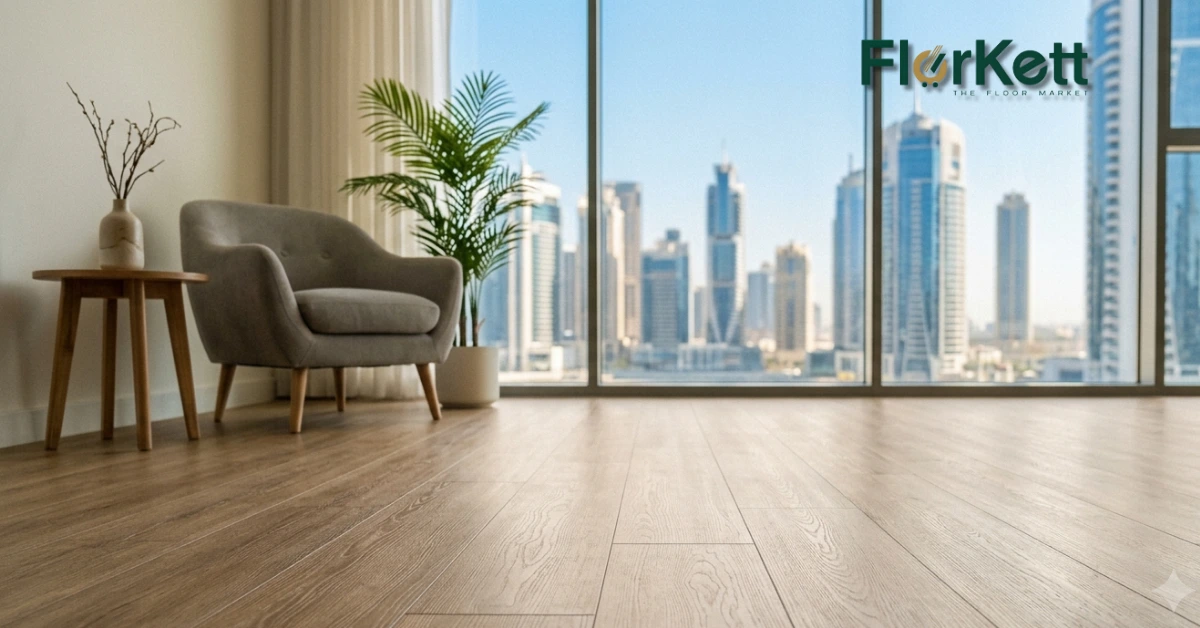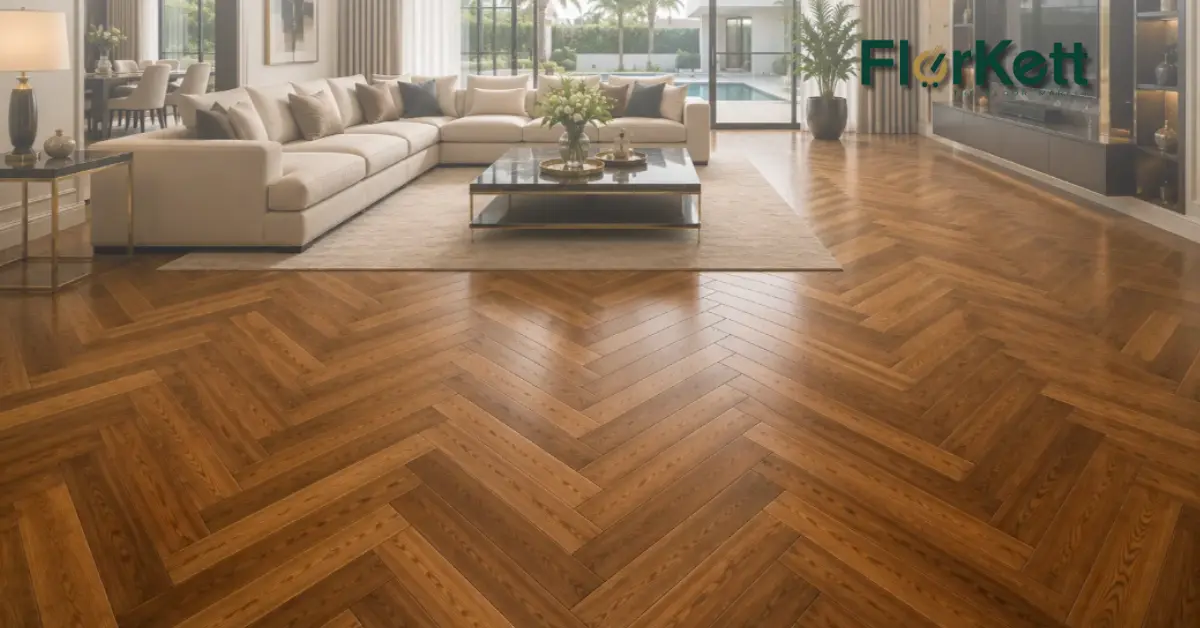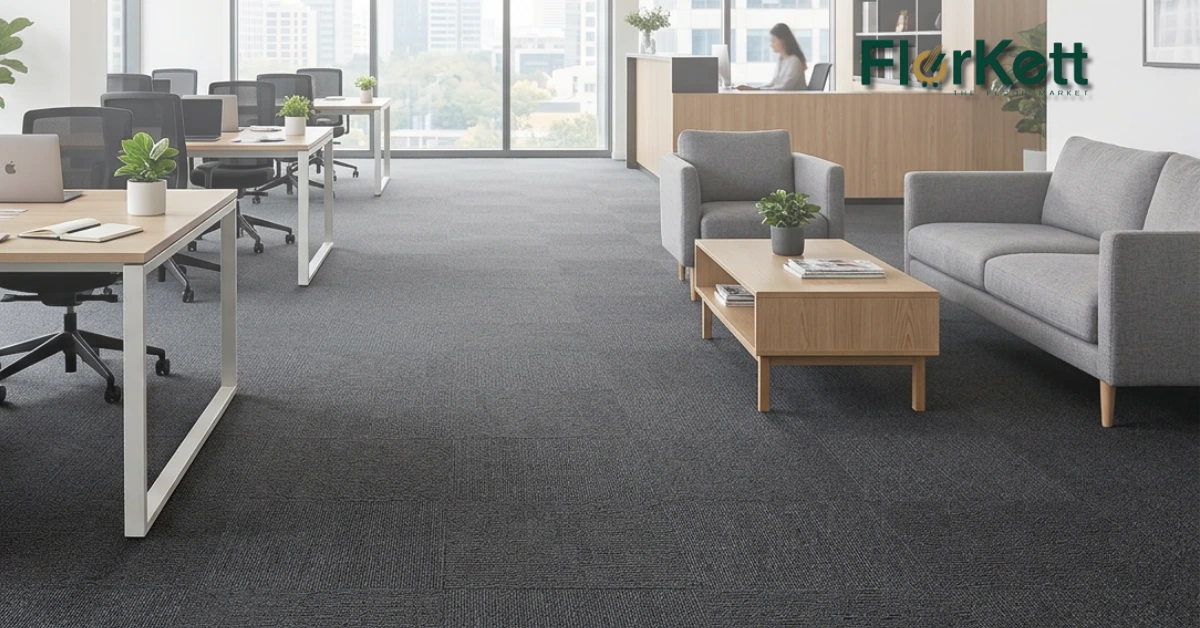

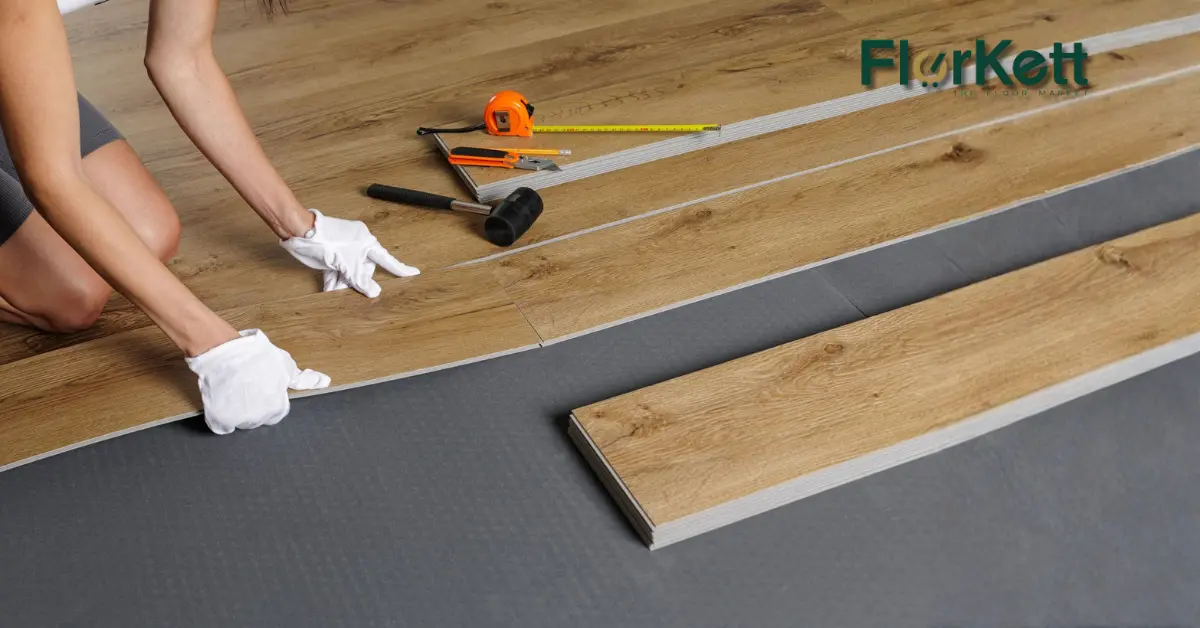
Property renovations in Sharjah require a meticulous approach to material selection. The region’s environmental landscape presents distinct structural challenges ranging from the intense, humid summer conditions along the Al Majaz Waterfront to the variable thermal expansion encountered in spacious villas throughout Muwaileh. When evaluating long-term architectural finishes, choosing the correct surface material is paramount to preserving structural integrity and interior aesthetics.
Stone Plastic Composite (SPC) flooring has emerged as an exceptionally durable, modern alternative to traditional porcelain tiles and laminate materials. However, selecting a random commercial product without assessing its explicitly engineered attributes can lead to early installation failures.
Understanding SPC Flooring Architecture for Gulf Climates
What makes SPC flooring suitable for properties in Sharjah? SPC flooring features a rigid, limestone-stabilized core that offers complete dimensional stability under extreme humidity and temperature fluctuations. This multi-layered composite prevents warping, buckling, and moisture absorption, making it vastly superior to traditional hardwood or standard laminate options.
To make an informed purchasing decision, we must analyze the individual structural components that comprise a standard premium SPC plank. Unlike traditional luxury vinyl tiles (LVT), which utilize a flexible PVC core, SPC is engineered as an unyielding, dense solid composite plank.
- The UV Top Coat: This factory-applied polyurethane shield provides targeted resistance against surface fading caused by direct ultraviolet rays. Given the expansive floor-to-ceiling windows found in modern high-rises along the corniche, this layer is critical for preventing uneven discoloration over time.
- The Transparent Wear Layer: Measured in millimeters or single-digit mils, this dense PVC film dictates the overall scratch and indentation resistance of the floor. For high-traffic residential spaces or busy commercial offices, this layer acts as the primary barrier against abrasive desert sand tracked indoors.
- The High-Definition Decorative Film: This layer contains a photographically realistic print that mimics natural white oak, walnut, or Italian marble. Advanced printing technologies ensure deep textures, realistic wood-grain patterns, and minimal pattern repetition across large floor plates.
- The Rigid Limestone Core: The defining element of the product is its central core, manufactured by compounding natural calcium carbonate (limestone powder) with polyvinyl chloride stabilizers. This formulation yields a highly dense substrate that remains completely inert when exposed to structural shifts or humidity spikes.
- The Integrated Underlayment (IXPE/EVA): High-end planks feature a pre-attached acoustic foam or rubber backer. This component smooths out minor substrate imperfections and significantly reduces impact noise transmission through concrete floor slabs.
For regional procurement managers looking to source high-specification materials across municipal boundaries, integrating durable SPC Flooring Dubai products into your project scope can guarantee access to internationally certified, fire-rated production runs suitable for complex commercial fit-outs.
Evaluating Wear Layers and Core Density Specifications
How do you determine the durability of an SPC plank for high-traffic environments? Look closely at the wear layer thickness and overall core density. Residential areas require a minimum 0.3mm wear layer, while demanding commercial spaces necessitate a 0.5mm to 0.7mm thickness coupled with a core density exceeding 1900 kilograms per cubic meter.
Traffic Requirement Guide:
| Low Traffic (Bedrooms) ➔ 0.3mm Wear Layer ➔ 3.5mm Core Thickness Medium Traffic (Living) ➔ 0.5mm Wear Layer ➔ 4.0mm – 5.0mm Core Thickness Heavy Traffic (Commercial) ➔ 0.7mm Wear Layer ➔ 5.5mm+ Core Thickness |
When evaluating sample boards from regional suppliers, do not depend on vague descriptive marketing terms like “ultra-durable” or “commercial grade.” Instead, demand to see verified technical datasheets. The overall thickness of an SPC plank generally ranges from 3.5mm to 6.5mm, but the structural ratio between the wear layer and the core density is what ultimately dictates its performance lifetime.
For residential spaces like bedrooms and private guest quarters, a total plank thickness of 4.0mm featuring a 0.3mm wear layer is perfectly adequate. However, for active family living rooms, corporate entryways, or retail environments, you should prioritize planks that are at least 5.0mm thick with a robust 0.5mm or 0.7mm wear layer.
A thicker wear layer provides enhanced protection against heavy furniture indents, rolling office chairs, and the continuous friction caused by fine outdoor sand particles. Furthermore, ensure the manufacturer utilizes virgin PVC resin rather than recycled plastics. Virgin resin produces a more cohesive core structure that will not emit harmful volatile organic compounds (VOCs) inside closed, air-conditioned environments during peak summer months.
Insider Tip: The Subfloor Moisture Trap in the Northern Emirates
Here is a crucial industry insight often overlooked by standard installation guides: Coastal humidity and subfloor concrete moisture can quietly destroy your flooring investment from beneath if the calcium silicate levels are completely ignored.
Many property owners assume that because SPC flooring is inherently waterproof, they do not need to worry about subfloor moisture preparation. This is a hazardous misconception. While moisture will not ruin the rigid limestone core of the plank itself, high levels of vapor pressure rising from an unsealed or poorly cured concrete slab can get trapped directly beneath the interlocking click system.
Over months of continuous air conditioning use, this trapped moisture creates a pressurized micro-environment, leading to subfloor mold growth, musty odors, and eventual structural failure of the locking click joints under heavy walking loads.
Before committing to any major installation project, always demand that your installer conduct a quantitative calcium chloride or electronic moisture meter test on your concrete subfloor. If the concrete slab exhibits relative humidity levels exceeding 75%, it is absolutely vital to lay down a continuous 200-micron-thick polyethylene vapor barrier sheet before clicking the floor together.
Partnering with accredited Flooring Companies in Dubai or certified technical services in Sharjah ensures that your installation team possesses the specialized industrial moisture meters and concrete grinding equipment required to properly prepare your subfloor before laying a single plank.
Aligning Textures and Edge Profiles with Architectural Design Styles
Which SPC design details work best for large interior spaces? Choose registered-embossed (EIR) surface textures paired with micro-bevel edge profiles. These design specifications offer an exceptionally realistic tactile wood feel underfoot while ensuring seamless, dirt-resistant joints across expansive, open-plan residential layouts.
The visual success of your flooring project depends heavily on how the surface texture and edge profiles interact with the specific lighting in your rooms.
1. Surface Textures: Smooth vs. Embossed-in-Register (EIR)
- Standard Embossing: Applies a generic, uniform wood-grain texture across the entire face of the plank, regardless of where the visual knots and grain lines are printed on the decorative film.
- Embossed-in-Register (EIR): A premium manufacturing method where the physical texture of the wear layer is perfectly synchronized with the underlying high-definition printed pattern. If you see a visual knot or split in the wood print, you will feel that exact texture when running your hand over it. This technique eliminates the artificial plastic sheen often associated with low-cost vinyl options.
2. Edge Profiles: Square Edge vs. Micro-Bevel
- Square Edge Planks: Fit tightly against one another without any visible indentation at the seams, creating a perfectly flat, monolithic surface. While this looks exceptionally modern, it requires an absolutely flawless, level subfloor. Any slight unevenness in the concrete will cause “lippage,” a microscopic edge lip that catches socks and wears down quickly.
- Micro-Bevel Edges: Feature a tiny, angled cut along all four sides of the plank. This creates a distinct V-groove that clearly separates each board, successfully mimicking true hardwood plank transitions. Micro-bevels are highly forgiving of minor subfloor variations and prevent early chipping along the joint lines.
Technical Procurement and Installation Standards Checklist
To ensure your flooring installation meets international construction and indoor air safety standards, verify that your chosen product satisfies the following technical criteria:
✔️ Formaldehyde Emission Class: Confirm the product is certified as Class E1 or holds FloorScore status to guarantee minimal indoor air pollution.
✔️ Fire Classification Rating: Verify a minimum fire resistance rating of Bfl – s1 under European standard EN 13501-1 for commercial spaces.
✔️ Slip Resistance Factor: Look for an R10 slip-resistance rating to ensure the surface remains safe when exposed to water droplets in kitchens or entryways.
✔️ Dimensional Stability Metric: Confirm a total heat-induced shrinkage rate of less than 0.1% to guarantee stability under direct desert sunlight.
Frequently Asked Questions
Can SPC flooring be installed directly over existing ceramic kitchen tiles?
Yes, you can install SPC flooring directly over existing ceramic or porcelain tiles, provided the grout lines are less than 5mm wide and 2mm deep. If the grout lines are larger, they must be filled with a self-leveling smoothing compound to prevent the underlying gaps from telegraphing through or straining the SPC click joints over time.
How should I clean and maintain my SPC floor to prevent long-term scratching?
Sweep or vacuum the surface daily using a soft brush attachment to remove abrasive desert dust and sand grains. When mopping, use a damp microfiber mop with a pH-neutral floor cleaner. Never use abrasive scrubbing pads, steam cleaners, or heavy wax-based polishes, as these will degrade the protective UV top coat over time.
Why is an expansion gap necessary during the installation process?
Although SPC is incredibly stable, the surrounding concrete walls and structural pillars of your property will still expand and contract with seasonal temperature changes. A mandatory 8mm to 10mm expansion gap must be left around the entire perimeter of the room. This gap is hidden beneath your skirting boards and prevents the floor from pressing against the walls and buckling if structural shifting occurs.