
In the rapidly evolving landscape of healthcare architecture, the design of a medical clinic in 2026 is no longer just about clinical, sterile white walls. It is about creating a holistic healing environment where aesthetics meet rigorous safety standards. One of the most critical elements of this design is the flooring. Because a clinic floor must endure constant foot traffic, heavy medical equipment, and stringent sterilization protocols, selecting the right material is a strategic decision for any facility manager.
Modern healthcare trends are shifting toward materials that offer a balance of high performance and patient-centered warmth. For those looking to upgrade their facilities, professional Flooring Companies in Dubai are increasingly recommending solutions that integrate antimicrobial technology and sound-dampening properties to improve the patient experience. This guide explores the leading trends and materials that will define clinic interiors in 2026.
The Essentials of Modern Clinic Flooring
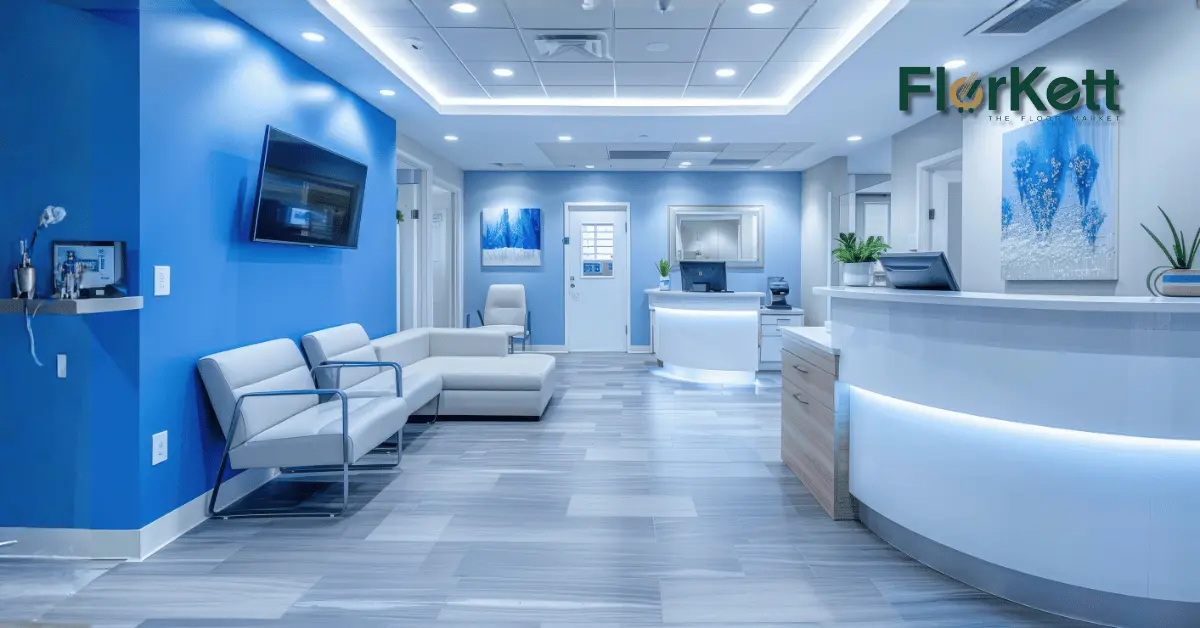
Clinic flooring needs to be durable, hygienic, easy to clean, and comfortable. Top choices include Vinyl (LVT/VCT), Rubber, Epoxy, and Linoleum (like Marmoleum), offering features like low maintenance, seamless finishes, antibacterial properties, and noise reduction, while carpet tiles are suitable for waiting rooms to create warmth.
The shift toward these materials is driven by the need for infection control. In a high-stakes medical environment, porous surfaces are a liability. Therefore, monolithic surfaces are prioritized to ensure that no bacteria or contaminants can hide in crevices.
Top Choices for Clinic Flooring in 2026
1. Vinyl (LVT/VCT)
Vinyl remains the most popular choice due to its extreme versatility, and Vinyl Flooring Dubai has become the industry standard because it mimics natural wood or stone while maintaining a non-porous surface.
- Luxury Vinyl Tile (LVT): Offers a high-end aesthetic with a durable wear layer that is resistant to scratches from gurneys and medical carts.
- Vinyl Composite Tile (VCT): A cost-effective solution known for its longevity and ease of individual tile replacement.
2. Rubber Flooring
Rubber is highly recommended for high-traffic corridors and physical therapy rooms. It is naturally slip-resistant and provides excellent sound absorption, which is crucial for maintaining a quiet, stress-free atmosphere. Its elasticity also offers “underfoot comfort,” reducing fatigue for nurses and doctors who spend long hours on their feet.
3. Linoleum (e.g., Marmoleum)
Linoleum is making a significant comeback in 2026 as clinics move toward eco-friendly designs. Made from natural materials like linseed oil and cork dust, it is inherently antibacterial and inhibits the growth of pathogens like MRSA.
4. Epoxy Coatings
For sterile environments like minor surgery rooms or laboratories, epoxy provides a seamless, poured-in-place finish. It is highly resistant to aggressive chemical cleaners and provides a watertight seal that prevents any moisture from reaching the subfloor.
5. Carpet Tiles
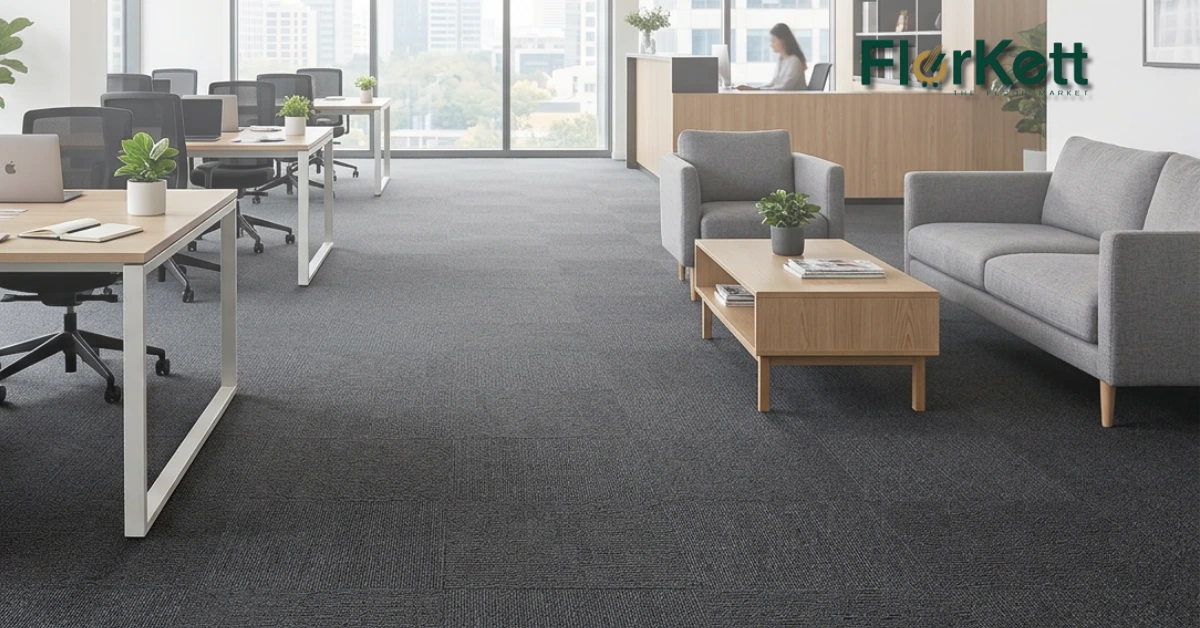
While not suitable for clinical zones, carpet tiles are often placed in administrative offices and waiting areas. They provide a warm, inviting atmosphere and help muffle the sound of conversations, contributing to patient privacy and comfort.
Key Factors for Selecting Clinic Flooring
When consulting with Flooring Companies in Dubai, it is important to evaluate materials based on the following five pillars:
Hygiene and Infection Control
The most vital characteristic of a clinic floor is its ability to support a sterile environment. Seamless options like sheet vinyl or epoxy are preferred because they eliminate grout lines where germs can accumulate. Many modern materials are also treated with polyurethane reinforcement (PUR) to simplify cleaning.
Durability and Load Resistance
Clinic floors are subjected to 24/7 stress. The material must be capable of withstanding heavy static loads from medical beds and dynamic loads from rolling equipment without permanent indentation.
Maintenance and Ease of Cleaning
Because clinical areas require frequent disinfection, the floor must be chemically inert. It should withstand medical-grade detergents without fading, softening, or losing its slip-resistant properties.
Patient and Staff Comfort
A “healing environment” is one that reduces stress. Soft underfoot materials and good sound absorption are prioritized to create a quieter atmosphere. Reducing impact noise from footsteps is essential for patient recovery areas.
Safety and Slip Resistance
In areas prone to spills, such as laboratories or restrooms, an R10 or R11 anti-slip rating is often required to prevent accidents.
2026 Trends: Aesthetics Meet Functionality
In 2026, the “institutional look” is being replaced by “biophilic design.” This involves using flooring that mimics natural elements to create a connection with nature.
- Warm Greige and Honey Tones: Moving away from cold blues and grays to create a more welcoming space.
- Zoning with Color: Different colored flooring is used to define pathways or separate waiting areas from treatment rooms without using physical barriers.
- Coved Skirting: To meet hygiene standards, flooring is “coved” (curved) up the wall, eliminating the 90-degree corner where dust typically gathers.
Frequently Asked Questions (FAQ)
1. What is the most hygienic flooring for a medical clinic?
Homogeneous sheet vinyl and epoxy are considered the most hygienic options. Their seamless installation prevents the growth of bacteria and viruses in joints or cracks.
2. Is Hospital Vinyl Flooring Dubai suitable for operating rooms?
Yes, high-quality Hospital Vinyl Flooring Dubai is engineered for sterile environments. It is often heat-welded at the seams to create a single, impervious surface that is easy to sanitize.
3. How long does clinic flooring typically last?
When installed by professional Flooring Companies in Dubai, premium vinyl or rubber flooring can last between 15 to 20 years, even in high-traffic areas.
4. Can carpet be used in any part of a clinic?
Carpet tiles are suitable only for waiting rooms, reception areas, and administrative offices. They should be avoided in any area where clinical procedures or spills are likely to occur.
5. Why is sound absorption important in clinic flooring?
Noise is a major contributor to patient stress and sleep disruption. Materials like rubber and linoleum help absorb the sound of footsteps and rolling equipment, creating a calmer healing environment.
Conclusion
Selecting the right flooring for a clinic in 2026 requires a balanced approach to science and style. Whether you are prioritizing the antibacterial properties of linoleum or the durability of Hospital Vinyl Flooring Dubai, the goal remains the same: to provide a safe, clean, and comfortable space for both patients and healthcare providers. By collaborating with experienced Flooring Companies in Dubai, you can ensure that your facility is equipped with a modern surface that meets the highest international health standards while enhancing the overall aesthetic of your practice.