
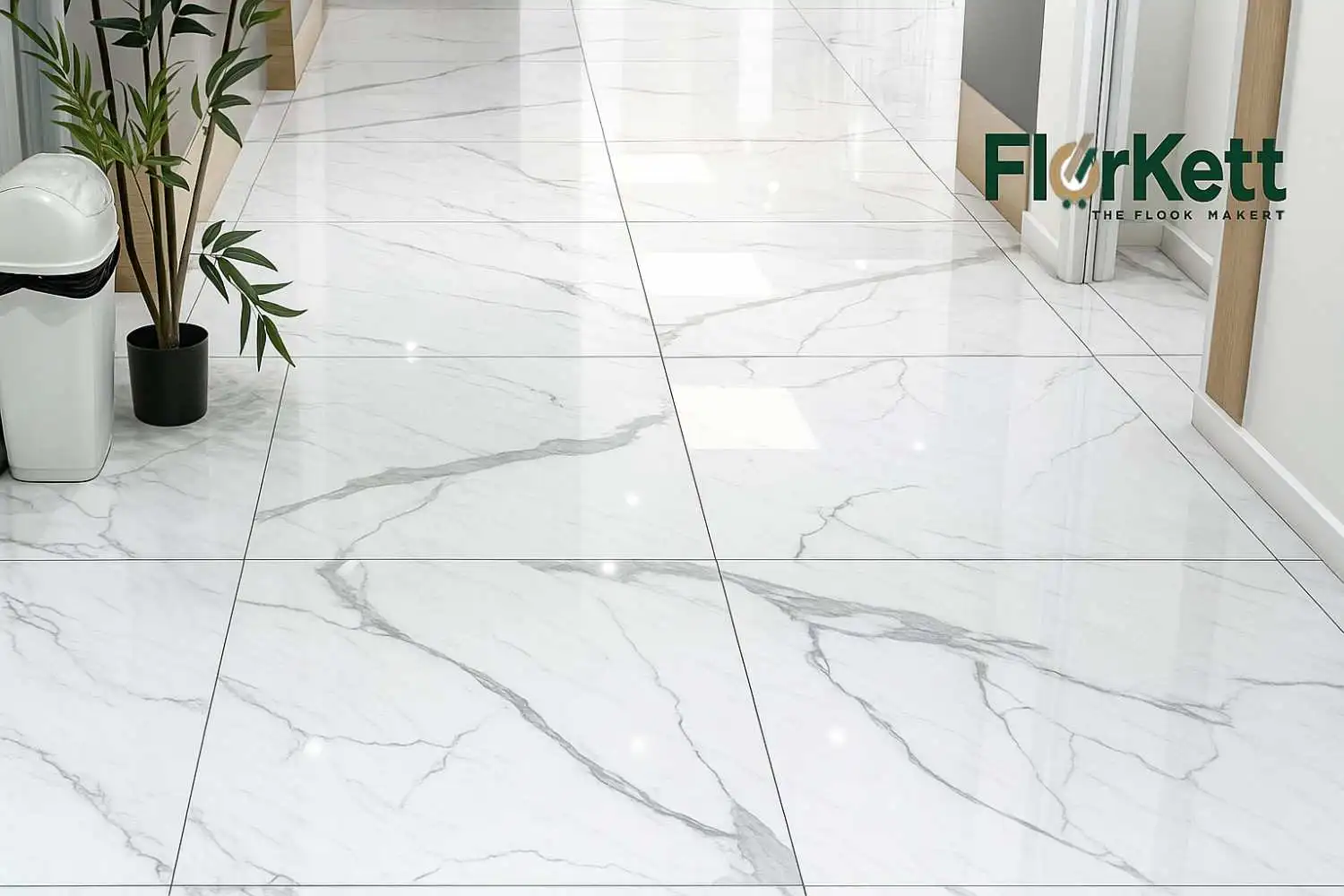
Porcelain tile flooring is renowned for its elegance, durability, and versatility, making it a top choice among flooring companies in Dubai and homeowners across the UAE. Whether renovating a stylish villa or upgrading a busy commercial space, understanding the different grades of porcelain tile empowers you to choose the best option for long-lasting performance. This guide covers everything you need to know about porcelain tile grades, ideal applications, and how they stack up against alternatives like vinyl flooring in Dubai.
What Are Porcelain Tile Grades?
Porcelain tile flooring grades are classifications that indicate the tile’s durability, water absorption, and suitability for specific environments. These are determined by global standards and defined by organizations like the Porcelain Enamel Institute (PEI) and ISO/EN bodies. The two core elements are:
- PEI Wear Rating: Numbers from 1 to 5 represent the tile’s resistance to abrasion.
- Water Absorption Rate: Lower absorption indicates better resilience, essential for humid UAE climates.
Tile grades help both flooring companies in Dubai and private buyers make informed decisions, ensuring tiles match the wear and tear expected in homes, offices, and retail environments.
PEI Wear Ratings Explained
PEI (Porcelain Enamel Institute) wear ratings classify porcelain tiles based on their ability to withstand foot traffic and abrasions:
- Grade 1: Designed primarily for walls; not suitable for floor use due to low durability. Typically thin and intended for decorative areas such as bathroom walls or kitchen backsplashes.
- Grade 2: Suitable for floors in low-traffic zones (like bedrooms and bathrooms). It can also be used for wall coverings where extra strength is needed.
- Grade 3: The standard for most residential floors. Grade 3 tiles handle moderate traffic in kitchens, hallways, and living rooms—and can sometimes be used outdoors.
- Grade 4: Built for heavy foot traffic, commonly found in commercial spaces like shops, offices, and restaurants, as well as high-use areas in homes.
- Grade 5: The toughest tile, ideal for high-traffic areas such as hospitals, shopping malls, and industrial buildings. Grade 5 tiles are also used for outdoor public areas and places exposed to harsh cleaning chemicals.
How Flooring Companies in Dubai Choose the Right Grade
Flooring companies in Dubai often recommend Grade 3 or higher for UAE homes, balancing aesthetics and functionality with the region’s climate and foot traffic patterns. For retail and hospitality sectors, Grade 4 or 5 is preferred due to higher durability needs.
Water Absorption and Porcelain Quality
International standards like EN 14411 and ISO 13006:2012 further refine porcelain tile grades by measuring water absorption rates—the essential metric for weather resistance:
- Porcelain tile: Absorption ≤ 0.5% (ideally suitable for UAE humidity)
- Glossy tile: Absorption between 0.5%–3% (semi-porcelain, good for walls)
- Ceramic tile: Absorption 3%–6% (floor tiles for very low-traffic areas)
- Wall tile: Absorption 6%–10% (decorative, not for floors).
Lower water absorption means greater resistance to staining, cracking, and mold, vital for bathrooms, kitchens, and exteriors in the UAE.
Glazed, Unglazed, Colored-Body, and Through-Body Tiles
Porcelain tiles also differ by their manufacturing style:
- Glazed Tiles: Have a vitrified (glass-like) surface, offering excellent repellence to water and stains. Most porcelain tile flooring for homes is glazed for easy maintenance.
- Unglazed Tiles: Made without a surface coat, featuring the same color and pattern throughout. More resistant to scratches and chipping, but require careful installation and regular sealing for UAE environments.
- Colored-Body Tiles: The mass of the tile is tinted to match the glaze. Chips are less prominent, making these tiles ideal for busy areas or commercial settings.
- Through-Body Tiles: Design and color run through the entire thickness, maximizing longevity and hiding wear.
Vinyl flooring Dubai is often compared to porcelain tile for its water resistance and variety, but porcelain remains the leader in wear resistance and heat stability under sun exposure in the UAE.
Benefits of Choosing Porcelain Tile Flooring in UAE
- Superior Durability: Lasts decades when installed correctly, especially in high-traffic zones.
- Low Maintenance: Glazed surfaces require minimal cleaning.
- Weather Resilience: Excellent resistance to the UAE’s humidity and abrupt temperature swings.
- Aesthetic Variety: Available in hundreds of colors, sizes, and patterns to suit any décor.
- Safety: Non-slip finishes (R11 or higher) are available for wet areas.
- Eco-Friendliness: Manufactured using sustainable methods, often with recyclable materials.
Porcelain tile flooring is frequently favored by flooring companies in Dubai for luxury properties, public spaces, and urban homes seeking style with practical performance.
Comparing Porcelain Tile vs. Vinyl Flooring Dubai
| Factor | Porcelain Tile Flooring | Vinyl Flooring Dubai |
| Durability | Highest, especially Grades 4 & 5 | Moderate, softer under heavy loads |
| Water Resistance | Excellent (0.5% absorption) | Excellent, waterproof surfaces |
| Appearance | Luxe, wide choice of designs | Variety, but may lack authentic texture |
| Maintenance | Low, simple cleaning | Very low, easy to sweep and mop |
| Heat Resistance | Outstanding for UAE heat | Can warp in extreme sunlight |
| Cost | Higher initial, long-term savings | More affordable, shorter lifespan |
For luxury, long-term value, and climate resilience in Dubai or the broader UAE, porcelain tile flooring is often recommended over vinyl flooring Dubai, especially for main living and high-traffic public areas.
Choosing the Right Porcelain Tile Grade for Your Project
Before making your final decision, it’s wise to seek advice from top flooring companies in Dubai to ensure the porcelain tile flooring you select is best suited to your space and local requirements.
They will assess:
- Foot traffic (residential vs. commercial spaces)
- UAE climate conditions and humidity levels
- Intended usage (indoors, outdoors, wet areas)
- Aesthetic requirements (color, finish, size)
Always request Grade 3 or higher for floors and ensure the tiles have a water absorption rate ≤ 0.5%. If upgrading outdoor areas or busy commercial environments, Grade 5 is the best choice for durability.
Top flooring companies in Dubai consistently track evolving trends and provide expert installation services to ensure every project meets the highest standards. For more budget-flexible renovations, vinyl flooring in Dubai offers a cost-effective alternative, especially for quick makeovers and rental properties.
Final Thoughts
Porcelain tile grades are the foundation of a beautiful, long-lasting floor. By understanding the PEI ratings, water absorption standards, and tile types, you’ll ensure smart investments in your UAE property. Whether you choose porcelain tile flooring for its durability and elegance or explore vinyl flooring in Dubai for affordability and flexibility, partner with reputable flooring companies in Dubai for the ideal results in aesthetics, performance, and property value.
PEI 3 or 4 is ideal for kitchens. PEI 3 handles regular foot traffic and spills, while PEI 4 offers extra durability for high-activity areas.
Yes. Porcelain absorbs less than 0.5% water, making it fully waterproof and ideal for bathrooms, showers, and wet areas in the UAE climate.
Glazed tiles have a protective coating for easy maintenance and stain resistance. Unglazed tiles offer better slip resistance and a natural look—both are highly durable.
Porcelain tile flooring lasts 40+ years, resists heat, and outperforms vinyl in durability. While vinyl is cheaper upfront, porcelain offers superior long-term value.
Seal grout every 1-2 years to prevent water infiltration and staining. Regular sealing extends your flooring’s lifespan significantly.